English Oak Care
Quercus robur
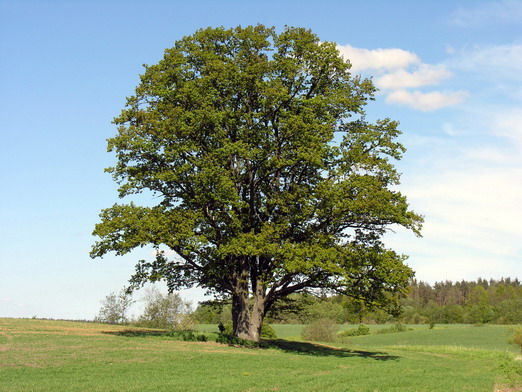
A large park and forest tree native to cool-temperate climates that loves deep, fertile and moist soils. In hot, dry Mediterranean climates it is difficult to grow without regular, deep irrigation.
Monthly care calendar
Timings are for a temperate Northern Hemisphere climate. In warmer areas tasks start earlier, in colder areas later; in the Southern Hemisphere shift them by six months.
- Watering: Not required; winter rains are sufficient.
- Fertilizing: Well-rotted farmyard manure or compost can be spread around the tree, but do not overapply.
- Pruning: Structural pruning is the best time to clear dead/damaged branches.
- Plant protection: Apply dormant oil (mineral oil) against scale insects or insect eggs.
- General care: Cover the root zone with a thick layer of organic mulch.
- Pests & diseases: Check the trunk and main branches.
- Fertilizing: Get ready for an application of slow-release balanced fertilizer (e.g. NPK 15-15-15).
- Pruning: While dormant, remove dry, broken, crossing and inward-growing branches so that air and light reach the inside of the crown.
- Plant protection: Before the buds wake up, apply a copper-based preparation against fungal diseases (especially powdery mildew).
- General care: If planting, enrich the soil generously with organic matter.
- Frost risk: Protect newly planted seedlings.
- Watering: If the soil begins to dry, 15-20 L/week; reduce if there is rain.
- Fertilizing: For young trees, apply balanced NPK (15-15-15) to the soil at 100-200 g depending on tree age. Do not overapply.
- Plant protection: If symptoms spread and treatment is needed, consult a licensed plant-protection supplier or an agronomist. Plant protection products are regulated; follow local rules.
- General care: Renew the mulch layer.
- Pests & diseases: Check the branches and trunk for brown, fixed bumps (scale insects).
- Watering: Increase to 20-30 L per week; keeping the soil moist is important; reduce if it rains.
- Plant protection: If signs of powdery mildew appear, immediately apply a fungicide containing sulfur or potassium bicarbonate.
- General care: Clear weeds.
- Pests & diseases: Watch for oak bagworm caterpillars; a dry climate triggers powdery mildew.
- Watering: As temperatures rise, increase watering to 30-40 L/week; reduce if there is rain.
- Fertilizing: A foliar fertilizer containing micronutrients can be applied if needed, but do not overapply.
- Plant protection: If symptoms spread and treatment is needed, consult a licensed plant-protection supplier or an agronomist. Plant protection products are regulated; follow local rules.
- General care: Deep watering encourages root system development.
- Pests & diseases: Check the branches and trunk for brown, fixed bumps (scale insects).
- Watering: In a long drought, water deeply once a month.
- Plant protection: If symptoms spread and treatment is needed, consult a licensed plant-protection supplier or an agronomist. Plant protection products are regulated; follow local rules.
- General care: A thick layer of mulch keeps the roots cool and reduces water loss.
- Pests & diseases: Look for white, powdery spots on the leaves (powdery mildew). Thinning dense branches to increase airflow slows its spread.
- Watering: In midsummer, deep watering every 15-20 days is enough. Established plants (over 2 years old) do not need watering in most years. The root zone should be wetted to a depth of 30-40 cm.
- Plant protection: If symptoms spread and treatment is needed, consult a licensed plant-protection supplier or an agronomist. Plant protection products are regulated; follow local rules.
- General care: Never let the soil dry out.
- Pests & diseases: Look for white, powdery spots on the leaves (powdery mildew). Thinning dense branches to increase airflow slows its spread.
- Watering: In midsummer, deep watering every 15-20 days is enough. Established plants (over 2 years old) do not need watering in most years. The root zone should be wetted to a depth of 30-40 cm.
- Plant protection: If symptoms spread and treatment is needed, consult a licensed plant-protection supplier or an agronomist. Plant protection products are regulated; follow local rules.
- General care: Water very early in the morning or late in the evening.
- Pests & diseases: Look for white, powdery spots on the leaves (powdery mildew). Thinning dense branches to increase airflow slows its spread.
- Watering: In a long drought, water deeply once a month.
- Plant protection: If symptoms spread and treatment is needed, consult a licensed plant-protection supplier or an agronomist. Plant protection products are regulated; follow local rules.
- General care: Keep checking soil moisture.
- Pests & diseases: Look for white, powdery spots on the leaves (powdery mildew). Thinning dense branches to increase airflow slows its spread.
- Watering: Gradually reduce watering as temperatures fall (20-30 L/week); reduce if there is rain.
- Fertilizing: To prepare the tree for winter, a low-nitrogen, potassium-dominant fertilizer may be applied. Do not overfeed.
- General care: When leaves infected with powdery mildew fall, collect and destroy them to reduce the spread of the disease.
- Pests & diseases: Acorns ripen; you can collect them.
- Watering: Water only if there is no rain and the soil is very dry; winter rains usually begin.
- Pruning: Winter pruning can begin after leaf fall is complete.
- Plant protection: Applying a copper-based preparation after leaf fall, thoroughly washing the tree with it, reduces next year's diseases.
- General care: Collect fallen leaves; many disease agents and pests overwinter under leaves.
- Pests & diseases: Check the trunk for overwintering pests.
- Frost risk: Protect the roots of newly planted seedlings with mulch.
- Pruning: Remove dead, diseased, and rubbing branches.
- Plant protection: Apply dormant oil if needed.
- General care: Disinfect your pruning tools.
- Pests & diseases: Protect the trunks of young saplings against rodent damage.
The care advice on this page is general and for information only; it is not professional advice. Plant age, soil and your garden’s microclimate can change the outcome. Plant protection products are mentioned only as general information; they are regulated, and the choice, dose and timing must be decided by a qualified professional under local rules. Consult a landscape architect or agronomist before applying.
Looking after more plants? Every guide has a month-by-month calendar for watering, pruning, feeding and frost protection.
Browse all plant guides