Japanese Cedar Care
Cryptomeria japonica
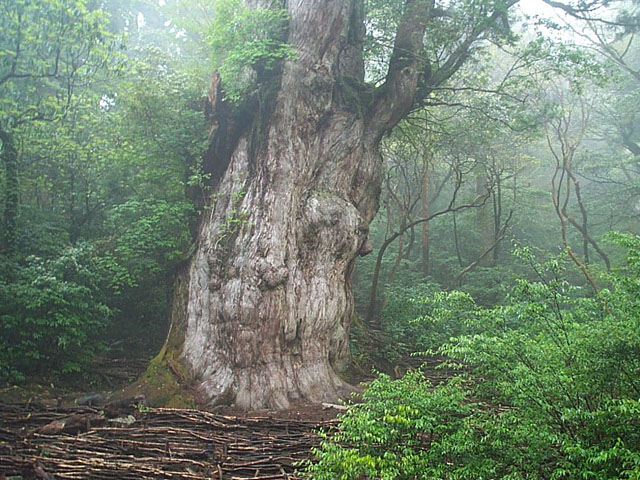
It likes humid, cool climates and acidic, well-drained soil. It is difficult to grow in regions with hot, dry summers, and needs regular watering and protection from midday sun.
Monthly care calendar
Timings are for a temperate Northern Hemisphere climate. In warmer areas tasks start earlier, in colder areas later; in the Southern Hemisphere shift them by six months.
- Watering: Not necessary (winter rains are sufficient). Make sure the soil does not stay waterlogged.
- Pruning: Only dry, diseased branches can be removed.
- General care: Make sure there is good drainage in the root zone.
- Pests & diseases: Watch out for the risk of root rot.
- Frost risk: Young saplings should be protected from severe frosts; mature trees are hardy.
- Watering: Not needed; rainfall is sufficient.
- Fertilizing: At the end of the month, a slow-release special NPK fertilizer for acid-type or conifer plants may be applied (do not overfeed).
- Pruning: It does not need formative pruning and its top should not be cut. Only remove dry, broken, and diseased branches.
- Plant protection: If scale insects were seen in previous years, intervene with dormant oil.
- General care: Aerate the soil.
- Pests & diseases: Check for scale insects.
- Frost risk: Pay attention to young saplings.
- Watering: If the rains are insufficient, 15-20 L/week.
- Fertilizing: If it was not given in February, apply a special fertilizer for conifers or an acidic fertilizer.
- Plant protection: If aphids are seen on the new shoots, take action.
- General care: Clear weeds.
- Pests & diseases: Check the new shoots for insects.
- Watering: If there is no rainfall, water every 15 days.
- Plant protection: Use a copper-based fungicide for fungal diseases (such as twig blight).
- General care: Start mulching to keep the root zone cool.
- Pests & diseases: Check the needles for spotting or needle drop.
- Watering: If there is no rainfall, water once a week.
- Plant protection: Start checking the needles for spider mite (mite) activity.
- General care: Spread a 5-7 cm layer of mulch over the root zone; it retains soil moisture and suppresses weeds. Do not pile mulch against the trunk.
- Pests & diseases: Look for signs of spider mites (fine webs, yellowing of the needles).
- Watering: Water deeply twice a week; prefer infrequent and generous watering over small and frequent. The root zone should be wetted to a depth of 30-40 cm.
- Plant protection: For spider mites, use a miticide with abamectin as the active ingredient.
- General care: Watering is vital; if possible, spray the leaves with water in the evening.
- Pests & diseases: Watch for signs of drought stress (browning of the needles).
- Watering: Water deeply twice a week; prefer infrequent and generous watering over small and frequent. The root zone should be wetted to a depth of 30-40 cm.
- Fertilizing: Fertilizing in the heat puts the plant under stress; definitely do not apply it.
- Plant protection: Continue controlling spider mites.
- General care: Keep mulch in place under the tree to keep the area shaded and cool.
- Pests & diseases: During extreme heat and drought, needle drop in the interior of the plant may increase. If it spreads throughout the plant, increase watering.
- Watering: Water deeply twice a week; prefer infrequent and generous watering over small and frequent. The root zone should be wetted to a depth of 30-40 cm.
- Plant protection: Do not let up on checks for spider mites and other stress-related pests.
- General care: Watering is the most important cultural practice.
- Pests & diseases: Sunburn and water stress are the biggest threats.
- Watering: If there is no rainfall, water once a week.
- General care: Start preparing the soil for planting new seedlings. The end of the month is suitable for planting seedlings.
- Pests & diseases: Check the overall condition of the tree coming out of summer stress.
- Watering: If there is no rainfall, water every 15 days.
- Plant protection: A copper-based preparation can be applied for general protection going into winter.
- General care: This is the ideal time for planting. Winter rains help the roots settle.
- Pests & diseases: Watch out for fungal growth in the root zone.
- Watering: Not needed if the rains are sufficient.
- General care: Planting of seedlings can continue. Renew the mulch layer for winter.
- Pests & diseases: Check the trunk and branches for possible scale insects.
- Frost risk: Protect newly planted seedlings from the frosts of the first winter.
- Pruning: If needed, this can be done to remove dead or damaged branches.
- General care: Evergreen leaves continue to lose water in winter. Water thoroughly once before the soil freezes.
- Pests & diseases: Monitor the general condition in winter conditions.
- Frost risk: Pay attention to young saplings.
The care advice on this page is general and for information only; it is not professional advice. Plant age, soil and your garden’s microclimate can change the outcome. Plant protection products are mentioned only as general information; they are regulated, and the choice, dose and timing must be decided by a qualified professional under local rules. Consult a landscape architect or agronomist before applying.
Looking after more plants? Every guide has a month-by-month calendar for watering, pruning, feeding and frost protection.
Browse all plant guides